Business Van & UTE Finance
BUSINESS VAN FINANCE
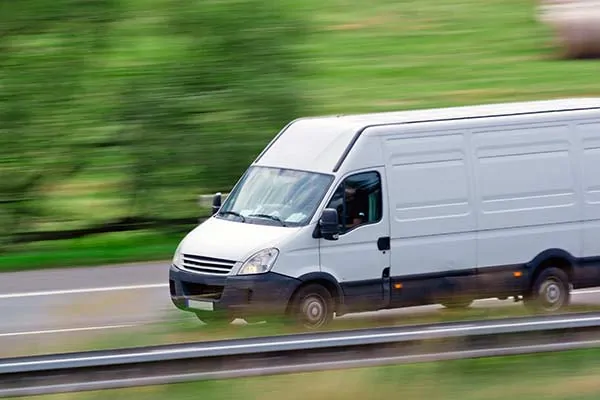
Business van finance is a powerful tool for Australian businesses of all sizes, unlocking the potential for increased mobility and operational efficiency.
Whether you need a fleet of vans to deliver goods or a single reliable vehicle, acquiring these essential assets can be hindered by upfront costs.
Business van finance bridges this gap, allowing you to secure the vans you need without a significant initial investment.
Financing Options for Business Vans in Australia
When it comes to financing your business van in Australia, you have a variety of options at your disposal, each with its own set of advantages and considerations. Understanding these financing options is crucial to selecting the one that best aligns with your business needs and financial goals.
Here’s a breakdown of the most common business van finance options in Australia:
Loan Options
When it comes to financing your business van in Australia, loan options offer a structured approach to acquiring the vehicle you need. These options provide you with the funds to purchase the van upfront, with ownership transferring to your business upon full repayment.
Commercial vehicle loan: A commercial vehicle loan allows you to borrow the funds to purchase the van and repay the loan with interest over a set term. The Ownership of the van transfers to your business upon full repayment.
Hire purchase (HP): This option allows you to spread the cost of the van over a fixed loan term, typically 1-5 years. You make regular repayments that include both principal (the loan amount) and interest. Ownership of the van transfers to your business upon completion of all repayments.
Line of credit: A business line of credit provides your business with a revolving line of funds that can be used for various purposes, including purchasing a van. This option offers flexibility as you only pay interest on the amount you use. However, interest rates on lines of credit may be higher than those on fixed-term loans.
Leasing Option
Leasing a van allows you to use the vehicle for a predetermined period (usually 2-4 years) in exchange for fixed monthly payments. At the end of the lease term, you typically have the option to return the van, purchase it for a predetermined residual value, or extend the lease.
Leasing can be beneficial for businesses that prefer to upgrade their vans frequently or seek lower upfront costs. However, you won’t own the van at the end of the lease
Choosing the Right Business Van Finance Option in Australia
Selecting the most suitable business van finance option in Australia requires careful consideration of several factors specific to your business needs and financial situation. Here’s a breakdown of key elements to weigh in on when making your decision:
Business Needs
Selecting the most suitable business van finance option hinges on a thorough understanding of your specific business needs. Here, we’ll delve into key factors to consider that directly impact your decision-making process:
Ownership vs. access to latest models: Consider if long-term ownership aligns with your plans or if frequent upgrades for newer technology are crucial. Ownership through loans provides long-term access, while leasing offers easy access to the latest models at the end of the lease term.
Usage and mileage: If you anticipate high mileage or frequent wear and tear, ownership may be preferable. Leasing often comes with mileage restrictions and exceeding them can incur additional charges.
Budgetary Constraints
Budgetary constraints play a crucial role in selecting the most suitable business van finance option. Here, we explore key financial factors to consider ensuring your chosen financing aligns with your business’s cash flow and long-term affordability:
Down payment: Loan options usually require a down payment (there are exceptions), which can impact your initial cash flow. Leasing often requires a smaller upfront payment compared to commercial van loans.
Monthly repayments: Evaluate your business’s cash flow and choose an option with monthly repayments that are comfortable to manage without straining your budget. Consider using a business loan repayment calculator to estimate monthly costs for different loan options.
Tax Implications
Beyond the initial financial considerations, the tax implications of your chosen financing option can significantly impact your business’s bottom line. Let’s explore the potential tax advantages associated with both loan ownership and van leasing in Australia:
Ownership (loan): Depreciation and interest payments on the owned van may be tax-deductible. Consult a registered tax accountant for specific details relevant to your business.
Lease: Lease payments may be fully tax-deductible as a business expense. Again, consulting a tax professional is recommended to understand the latest tax regulations on business van leasing.
How to Apply for Business Van Finance in Australia
Applying for business van finance in Australia can be a smooth process with the right preparation. Here’s a step-by-step guide to navigate the application process efficiently, including details on low document applications:
Gather Your Documents for Full Doc Business Van Finance
The standard documentation required for full doc business van finance applications includes:
- Identity documents.
- Australian business number (ABN) (minimum 2 years of registration).
- Financial statements of the business (typically the last 2 years).
- Business tax returns (typically the last two years).
- Business activity statements (BAS) (2 recent quarters).
- Personal tax returns (typically the last 2 years).
- Personal financial statements of business owners or directors.
- Invoice of the commercial van.
Lenders may require additional documents on case-by-case basis.
Explore Low Doc Options
If obtaining the full set of financial documents is challenging for your business, you might be eligible for a low document (low doc) business van loan option. These options are designed for businesses with limited financial history or those who find compiling extensive documentation difficult.
Here’s what you might need for a low doc application:
- Identity documents.
- Australian business number (ABN) (1 or 2 years of registration).
- Business activity statements (BAS) (2 recent quarters)
- Business bank statements (optional)
- Personal financial statements of business owners or directors.
- Invoice of the business van.
No doc loan option is also available where you do not need to provide any financial documents. Call Assured Loan today to learn more.
Important Considerations for Low Doc Applications
Low document (low doc) van loans offer a streamlined application process with less paperwork required. While this convenience comes with advantages, it’s essential to understand the key considerations specific to low doc applications:
Interest rates: Low doc loans typically come with higher interest rates compared to traditional business loans due to the increased risk for the lender.
Availability: Not all lenders offer low doc business loans. Researching lenders specialising in low doc finance options is crucial.
Approach Lenders and Compare Quotes
Research different lenders offering business van finance in Australia, including those specialising in low doc options. Obtain quotes from multiple lenders to compare interest rates, fees, loan terms, and eligibility requirements for low doc applications.
Complete the Application Form
Carefully complete the application form, ensuring all information provided is accurate and up to date. Be prepared to answer questions about your business, van usage plans, and desired loan amount.
If applying for a low doc loan, highlight your business experience, future growth potential, and any alternative documentation you can provide to strengthen your application.
Submit Your Application and Await Approval
After submitting your completed application and all required documents, the lender will assess your business’s financial health and creditworthiness. The approval process may take a few business days.
Apply for Business Van Finance with Assured Loan
Assured Loan is your one-stop shop for securing business van finance in Australia. Our experienced brokers will guide you through the process, from application to approval. We are a licensed and accredited firm with a proven track record of helping businesses like yours.
Schedule a free consultation today and explore your financing options! Call Assured Loan on 0430 451 901 or click the button below to apply online.
UTE FINANCE
UTE finance is a specific type of car loan designed to finance the purchase of a UTE. It allows you to spread the cost of the vehicle over a set period, typically 1 to 7 years, through monthly repayments.
This makes owning a UTE a more realistic option for many Australians, particularly tradies, small business owners, and individuals who rely on the unique capabilities of a UTE for their work or lifestyle.
Benefits of UTE Finance
Owning a UTE doesn’t have to break the bank. UTE finance offers a multitude of benefits that can empower both individuals and businesses to acquire the powerful and versatile vehicle they need. Let’s explore the key advantages of UTE finance:
- Spreading the cost: Financing allows you to acquire your UTE without a large upfront outlay, freeing up your cash flow for other needs.
- Tax advantages (for businesses): Businesses that purchase UTEs for work purposes may be eligible for tax deductions on loan repayments and depreciation of the vehicle.
- Improved cash flow: By financing the UTE, your business capital remains available for other investments or operational expenses.
- Variety of loan options: Lenders offer a range of UTE finance options to suit your individual needs and budget, including secured car loans, chattel mortgages, and business loans.
Different Types of UTE Finance in Australia
Choosing the right UTE loan option is crucial for ensuring a smooth and affordable UTE purchase experience. Here, we’ll explore the various types of UTE finance products available in Australia, allowing you to make an informed decision based on your specific needs:
Financing a Brand-New UTE
When it comes to acquiring a brand-new UTE. UTE loans provide you with the flexibility to drive away in your ideal vehicle without a significant upfront cost. Here, we explore two popular financing options specifically designed for financing brand-new UTEs: secured car loans and chattel mortgage loans.
- Secured car loans: This is the most common type of UTE finance. The UTE itself acts as security for the loan, meaning the lender can repossess the vehicle if you fail to make repayments. Secured car loans typically offer competitive interest rates and flexible loan terms.
- Chattel mortgage loans: This option is similar to a secured car loan, but ownership of the UTE technically remains with the lender until the loan is fully repaid. Chattel mortgages can be a good option for businesses seeking to claim depreciation benefits on the UTE.
Financing a Pre-Owned UTE
Many lenders offer UTE loans specifically for used UTEs. However, interest rates for used UTEs may be slightly higher than for new UTEs. Here are some additional considerations:
- Loan-to-value ratio (LVR): Lenders typically have a maximum LVR for used UTE finance, meaning the loan amount cannot exceed a certain percentage of the UTE’s value.
- Age and mileage: The age and mileage of the used UTE can impact the loan terms and interest rates offered.
UTE Finance for Businesses
Businesses that require UTEs for their operations can access specialised UTE finance solutions. These loans often come with:
- Tax benefits: Businesses can potentially deduct loan interest repayments and UTE depreciation from their taxable income.
- Fleet financing: This option allows businesses to finance multiple UTEs for their fleet at once, potentially with discounted rates.
Choosing the Right UTE Loan Option
The best UTE loan option for you will depend on several factors, including whether you’re purchasing a new or used UTE, your business needs (if applicable), and your budget. It’s always advisable to compare offers from multiple lenders to secure the most competitive interest rate and loan terms.
What Utes Can You Finance?
When it comes to UTE finance, you have the flexibility to finance both brand-new UTEs straight off the showroom floor or quality pre-owned UTEs from dealers or private sellers.
Utilise online resources like carsales.com.au, Gumtree, and other car websites to find the perfect UTE you are looking for.
While we can finance a wide range of UTEs, some of the most popular models among our customers include:
- Ford Ranger XLT
- Ford Ranger Raptor
- Ford Ranger V6 Sport
- Isuzu D-Max SV
- Mazda BT-50
- Mitsubishi Triton
- Nissan Navara
- Toyota Hilux
- Toyota LandCruiser 70 Series
- Volkswagen Amarok.
This isn’t an exhaustive list! If you have your sights set on a specific UTE model, don’t hesitate to inquire. We are here to help you finance the UTE that perfectly suits your work or lifestyle needs.
Eligibility Criteria for UTE Loan
Lenders assess various factors to determine your eligibility for UTE finance. Here are some key considerations:
- Credit score: A good credit score demonstrates your history of responsible borrowing and repayments. Generally, a higher credit score qualifies you for lower interest rates.
- Income verification: Lenders will require proof of your income, such as payslips or tax returns, to assess your ability to afford the loan repayments. There is also low doc, and no doc finance options available for business owners.
- Employment status: Full-time employment typically strengthens your application compared to part-time or casual work. Self-employed individuals may have different requirements.
- Down payment: While not always mandatory, a larger down payment can improve your loan application by reducing the overall loan amount and demonstrating financial commitment.
UTE Finance Application Process in Australia
Securing UTE finance in Australia involves navigating a straightforward application process. Understanding these aspects empowers you to prepare effectively and increase your chances of loan approval.
Here’s a breakdown of the typical steps involved:
- Gather required documentation: Prepare documents like proof of income, driver’s license, bank statements, and details of the UTE you wish to finance.
- Compare UTE finance options: Research different lenders and compare their interest rates, loan terms, and fees to find the most suitable option for your needs.
- Submit your application: Once you’ve chosen a lender, complete the online or in-person application form and submit the required documentation.
- Pre-approval and loan selection: The lender will assess your application and provide a pre-approval with indicative interest rates and loan terms. You can then choose the loan option that best suits your budget.
- Final approval and signing the loan agreement: Upon final approval, you will receive the loan funds and need to sign the loan agreement outlining the repayment terms and conditions.
Key Considerations to Secure the Best UTE Finance Deal in Australia
Choosing the right UTE loan option requires careful consideration of various factors. By understanding these key aspects, you can secure a UTE finance deal that aligns with your budget and financial goals.
Interest Rates and Fees
Securing UTE finance unlocks the door to owning your desired UTE, but it’s crucial to understand the associated costs. This section delves into the key factors that impact your overall financial commitment: interest rates and fees.
- Interest rates: This is the cost of borrowing the money and is typically expressed as an annual percentage rate (APR). Lower interest rates translate to lower monthly repayments over the loan term.
- Establishment fees: Some lenders charge an establishment fee to cover the processing costs of your UTE loan application.
- Ongoing fees: Be mindful of ongoing fees like account management charges or early repayment penalties if applicable.
Loan Term Length
The loan term length refers to the duration over which you will repay the loan amount. Here’s how it impacts your repayments:
- Shorter loan term: Shorter loan terms generally result in higher monthly repayments but allow you to pay off the loan and own the UTE faster. This can also minimise the total interest paid over the loan term.
- Longer loan term: Longer loan terms lead to lower monthly repayments but extend the overall repayment period and potentially increase the total interest you pay.
Balloon Payments
Some UTE loan options may include a balloon payment, which is a large lump sum payment due at the end of the loan term. Here are some points to consider:
- Benefits of balloon payments: Balloon payments can potentially lower your monthly repayments throughout the loan term.
- Drawbacks of balloon payments: You will need to have sufficient funds available to cover the balloon payment at the end of the loan term. Refinancing the balloon payment or selling the UTE to pay it off might be necessary.
Early Repayment Options
Inquire about the possibility of making additional repayments or even paying off the loan early. Some lenders may charge early repayment penalties, so check the terms carefully.
Apply for UTE Finance with Assured Loan
Need UTE financing? Get expert advice & personalized support from Assured Loan’s finance brokers. We simplify UTE finance for individuals & businesses. We’re experienced, qualified, and dedicated to getting you approved.
Schedule a FREE consultation today! Call Assured Loan on 0430 451 901 or click the button below to get a pre-approval.
FAQs on Business Van & UTE Finance
Lorem ipsum dolor sit amet, consectetur adipiscing elit, sed do eiusmod tempor incididunt ut labore et dolore magna aliqua. Sed odio morbi quis commodo odio aenean.
Lorem ipsum dolor sit amet, consectetur adipiscing elit, sed do eiusmod tempor incididunt ut labore et dolore magna aliqua. Sed odio morbi quis commodo odio aenean. Dignissim diam quis enim lobortis scelerisque fermentum dui faucibus in. Ut pharetra sit amet aliquam id diam maecenas ultricies. Quis ipsum suspendisse ultrices gravida dictum fusce ut placerat orci.
Lorem ipsum dolor sit amet, consectetur adipiscing elit, sed do eiusmod tempor incididunt ut labore et dolore magna aliqua. Sed odio morbi quis commodo odio aenean. Dignissim diam quis enim lobortis scelerisque fermentum dui faucibus in. Ut pharetra sit amet aliquam id diam maecenas ultricies. Quis ipsum suspendisse ultrices gravida dictum fusce ut placerat orci.
Lorem ipsum dolor sit amet, consectetur adipiscing elit, sed do eiusmod tempor incididunt ut labore et dolore magna aliqua. Sed odio morbi quis commodo odio aenean. Dignissim diam quis enim lobortis scelerisque fermentum dui faucibus in. Ut pharetra sit amet aliquam id diam maecenas ultricies. Quis ipsum suspendisse ultrices gravida dictum fusce ut placerat orci.
Lorem ipsum dolor sit amet, consectetur adipiscing elit, sed do eiusmod tempor incididunt ut labore et dolore magna aliqua. Sed odio morbi quis commodo odio aenean. Dignissim diam quis enim lobortis scelerisque fermentum dui faucibus in. Ut pharetra sit amet aliquam id diam maecenas ultricies. Quis ipsum suspendisse ultrices gravida dictum fusce ut placerat orci.
Lorem ipsum dolor sit amet, consectetur adipiscing elit, sed do eiusmod tempor incididunt ut labore et dolore magna aliqua. Sed odio morbi quis commodo odio aenean. Dignissim diam quis enim lobortis scelerisque fermentum dui faucibus in. Ut pharetra sit amet aliquam id diam maecenas ultricies. Quis ipsum suspendisse ultrices gravida dictum fusce ut placerat orci.
Lorem ipsum dolor sit amet, consectetur adipiscing elit, sed do eiusmod tempor incididunt ut labore et dolore magna aliqua. Sed odio morbi quis commodo odio aenean. Dignissim diam quis enim lobortis scelerisque fermentum dui faucibus in. Ut pharetra sit amet aliquam id diam maecenas ultricies. Quis ipsum suspendisse ultrices gravida dictum fusce ut placerat orci.
Lorem ipsum dolor sit amet, consectetur adipiscing elit, sed do eiusmod tempor incididunt ut labore et dolore magna aliqua. Sed odio morbi quis commodo odio aenean. Dignissim diam quis enim lobortis scelerisque fermentum dui faucibus in. Ut pharetra sit amet aliquam id diam maecenas ultricies. Quis ipsum suspendisse ultrices gravida dictum fusce ut placerat orci.
LATEST FROM THE BLOG SECTION

A Comprehensive Guide to Different Types of Loans
The Different Types of Loans for Your Financial NeedsWhen it comes to financing your dreams, there are various types of...

Understanding Different Types of Loans
Understanding Different Types of LoansWhen it comes to financing your dreams, there are various types of loans available to suit...

Understanding the Various Types of Loans for Your Financial Needs
The Different Types of Loans for Your Financial NeedsWhen it comes to financing your dreams, there are various types of...